Evergreen
Ask anyone who spends real time in the woods what keeps them coming back, and very few will lead with the harvest. They'll talk about the quiet. The way a treeline turns gold ten minutes before the sun clears it. The way a morning slows down until you can actually hear your own thinking. Among the many benefits of spending time outdoors, the one that follows you home the longest is patience — and it's the one almost nobody sets out to learn.
Patience isn't a personality trait you're either issued or denied at birth. It's a practiced skill, and the outdoors is one of the last places left that still insists you practice it. There's no fast-forward on a sunrise. No skip button on a slack tide. You either wait well or you waste the morning.
Nature Runs on Its Own Clock
Most of modern life is built to remove waiting. Deliveries arrive same-day. Questions get answered in seconds. Entertainment starts the instant you tap it. That convenience is genuinely useful, but it trains something into us: the expectation that effort and reward should sit right next to each other.
The outdoors refuses that arrangement. A food plot takes a season. A fishery recovers over years. Deer move when weather, pressure, and rut tell them to, not when your schedule opens up. Stand hunting in particular is hours of stillness punctuated by seconds that matter — and you cannot manufacture those seconds. You can only be there, ready, when they come.
That's a hard adjustment the first few times. It's a gift the hundredth time. Somewhere in the repetition, you stop treating the wait as the price of the payoff and start recognizing the wait as most of what you actually came for.
How Hunting and Patience Train Attention
Patience and attention are the same muscle worked from two directions. Hunting and patience get paired constantly, but the mechanism deserves more credit than it usually gets. Sitting still for four hours doesn't just teach you to endure boredom — it retrains what you're capable of noticing.
Spend enough dark mornings in one spot and the woods start reporting to you. A squirrel working leaves sounds nothing like a deer working leaves, and eventually you know the difference before you consciously think about it. You learn which direction the thermals drift at first light in that particular bottom. You catch the shift in birdsong that says something is moving.
None of that arrives through effort. It arrives through duration. And it transfers. People who practice this kind of attention outdoors tend to be better listeners at the kitchen table, steadier under pressure at work, and slower to jump to conclusions — because they've been trained by something bigger than themselves to gather information before acting.
The Skills Patience Quietly Builds
- Reading conditions instead of reacting to them — wind, weather, water, pressure
- Sitting with discomfort without needing to fix it immediately
- Separating what you can control from what you simply have to wait out
- Making decisions slowly enough to make them once
- Noticing small changes early, before they become problems
Faith and the Outdoors Share the Same Rhythm
There's a reason Scripture keeps returning to fields, seeds, storms, sheep, and seasons. Those images work because they're honest about how growth actually happens: underground, slowly, mostly out of sight. Anyone who has planted anything understands that waiting is not the absence of work.
“Be still before the LORD and wait patiently for him.”
Stillness is not passivity. On a stand it means alert, ready, attentive — just not thrashing around trying to force an outcome. That's a fair description of what patient faith looks like too. You do the preparation you're responsible for, and then you trust the part that was never yours to control.
Faith and the outdoors also share a discipline of perspective. Standing under a sky with no ceiling on it, in country that was here long before you and will be here long after, has a way of resizing whatever you carried in with you. That's not escapism. It's proportion — and proportion is what makes patience possible in the first place. Most impatience is just an overestimation of how urgent our own timeline really is.
The Benefits of Nature Are Measurable, Not Mystical
Plenty of the benefits of nature show up in research, not just in feel. Time outside is consistently associated with lower stress markers, better sleep, improved mood, and sharper focus after the fact. Sunlight early in the day helps regulate the body clock. Walking uneven ground builds balance and strength in ways a treadmill doesn't. Being away from constant notifications gives attention a chance to reset.
But the reason to go isn't a list of health outcomes. Those are the byproducts. The reason to go is that the outdoors is one of the few remaining environments that asks you to be a certain kind of person while you're in it — quiet, observant, prepared, willing to be told no by conditions you didn't choose.
Lessons From Nature That Follow You Home
Among the most practical outdoor life lessons is this: unsuccessful days are still useful days. Sit a hundred mornings and you'll have plenty where nothing walks by. That's not failure. That's information — about where the deer aren't, about wind you misjudged, about a stand that needs moving fifty yards.
That reframe is worth more than any tag. Careers, marriages, raising kids, recovering from setbacks — most of it runs on stretches where the effort is real and the visible return is zero. People who've learned to keep showing up on quiet mornings handle those stretches better, because they've already practiced believing in work they can't yet see results from.
Small Ways to Practice Patience Outside
- Stay an extra thirty minutes past when you'd normally climb down
- Take one walk with no goal, no distance target, and no phone in your hand
- Sit in one spot for twenty minutes and catalog every sound you can identify
- Scout a piece of ground you have no plans to hunt this season
- Fish a spot slowly and thoroughly instead of covering water fast
Passing Patience Down
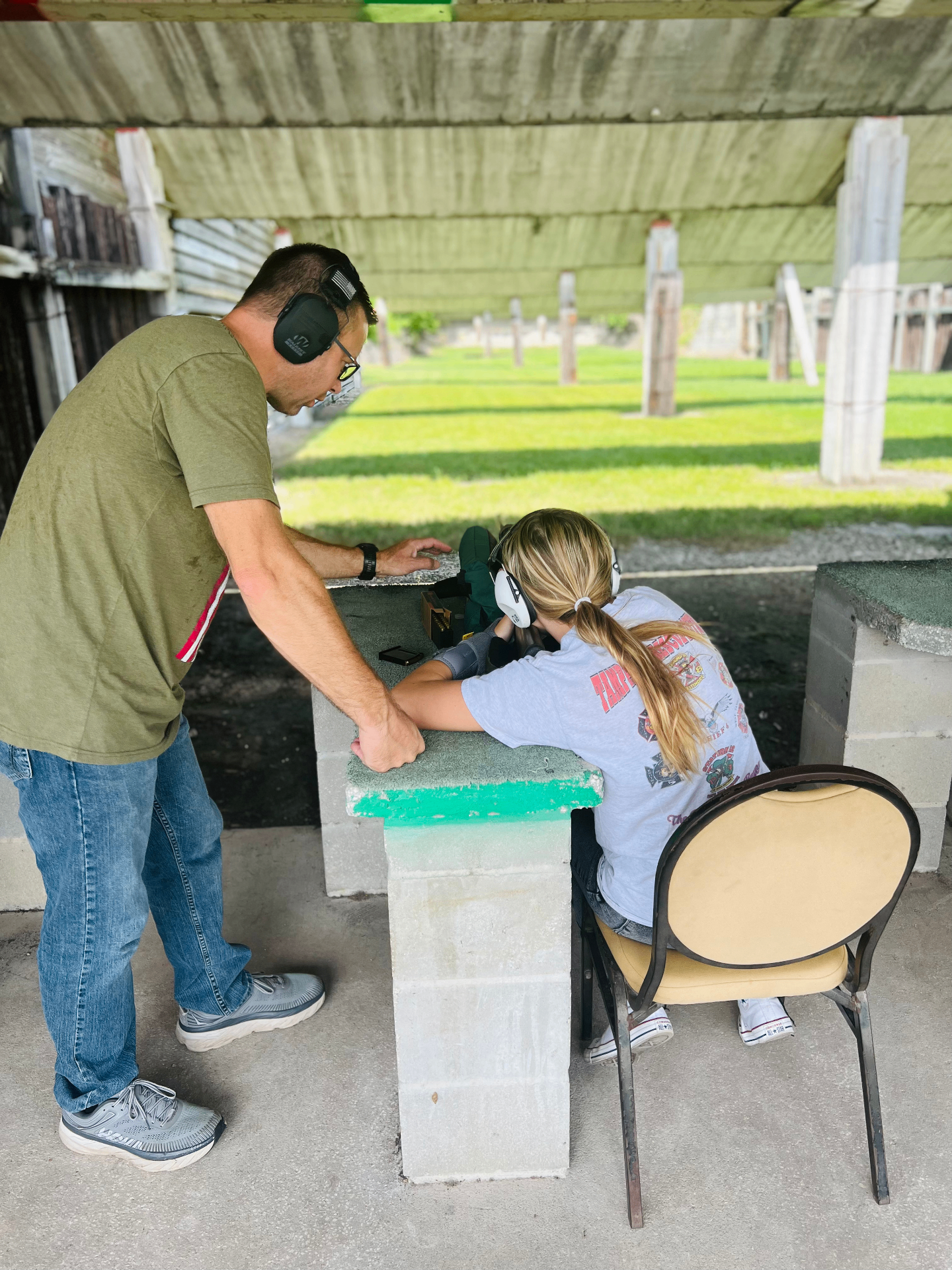
Patience is caught more than taught. Kids don't learn it from a lecture about sitting still; they learn it from watching adults who are genuinely content to wait, and from being given jobs that require waiting — glassing a field, watching a bobber, tracking a blood trail step by careful step.
That's a big part of why time outdoors together does so much heavy lifting in a family. It builds the same virtue in a ten-year-old and a forty-year-old at the same time, in the same place, without anybody needing to say much about it. If that's the kind of thing you want your kids growing up around, raising kids who love the outdoors covers how to build those habits early without turning every trip into a lesson.
And when patience gets practiced across generations on the same ground, it stops being a personal habit and becomes something closer to inheritance. That's exactly what family hunting traditions carry forward — long after the details of any single season are forgotten.
Go Anyway
You don't need a perfect forecast, a new setup, or a free weekend to start. Patience isn't built on ideal days. It's built on the ordinary ones — cold hands, empty woods, coffee gone lukewarm, sitting there anyway.
The woods will keep their own schedule regardless. The question is whether you'll spend enough time in them to be changed by it.