Evergreen
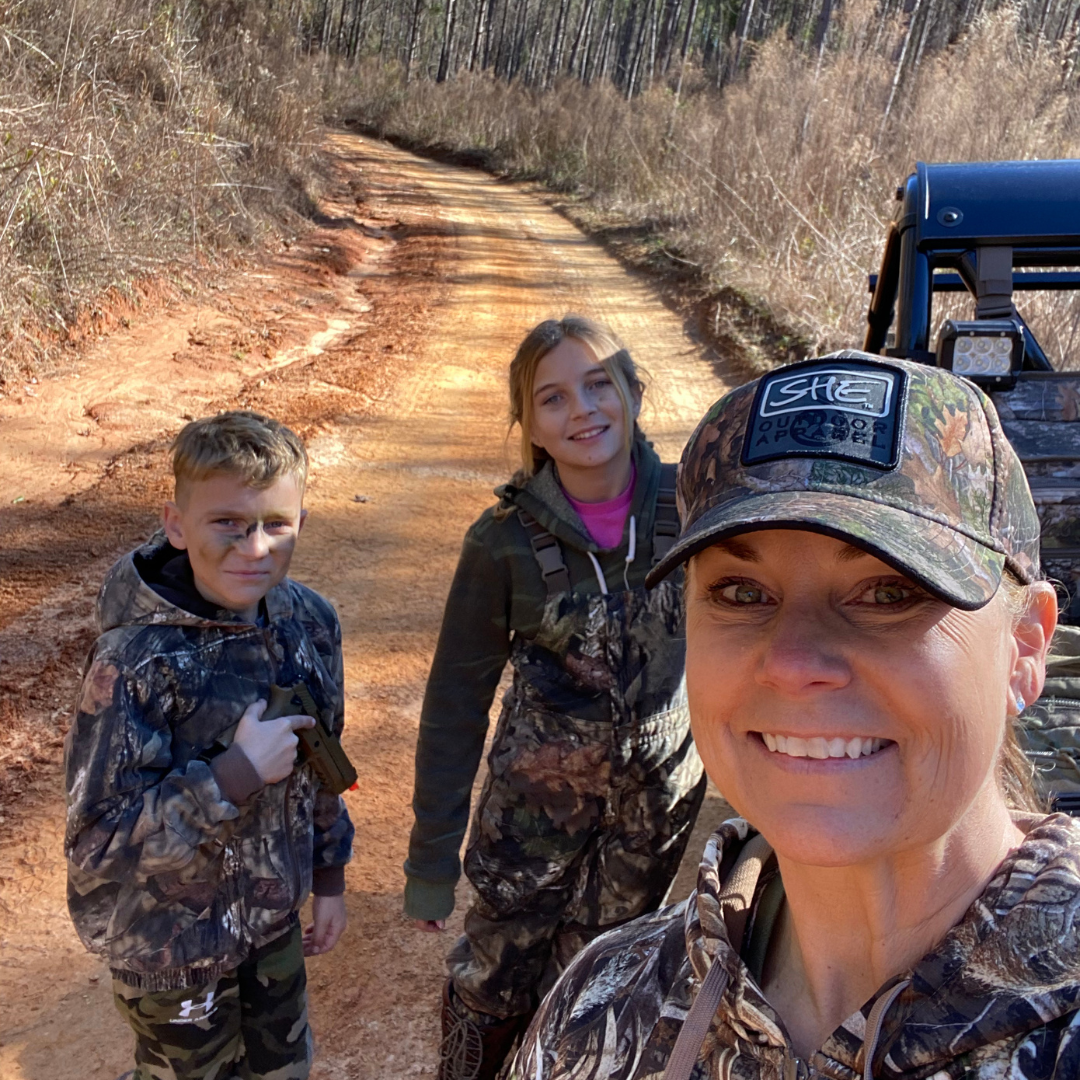
Family hunting traditions rarely feel like traditions while they're happening. They feel like a truck that smells like coffee and wet canvas, a gas station biscuit at 4:45 a.m., the same tired joke at the same bend in the road every single year. It's only later — sometimes decades later — that you realize those small repeated things were doing something serious.
Hunting participation has trended down across much of the country for years. Land access has gotten harder, schedules have gotten fuller, and fewer kids grow up with an adult in their life who hunts. That makes hunting traditions less automatic than they used to be. Which means they now have to be chosen on purpose, or they end.
What Actually Gets Passed Down
The tactical stuff is the easy part. Wind, shot placement, tracking, field dressing, how to sit still — all of that is learnable from a good mentor, and honestly a lot of it is learnable from good video these days.
What doesn't transfer through a screen is everything surrounding the hunt:
- Restraint — passing on a shot that isn't right, even when you badly want to take it
- Respect for the animal, from the moment it goes down through how the meat gets handled
- Responsibility — cleaning your own gear, checking your own regulations, owning your own mistakes
- Gratitude that's specific rather than vague, because you saw exactly where the food came from
- Honesty, since the woods are one of the few places nobody's watching and it still matters what you do
Those are character traits, not techniques. They get absorbed by being around adults who model them under real conditions, in cold weather, when things aren't going well. That's the actual curriculum of hunting heritage.
Hunting With Family Builds a Different Kind of Conversation
Something happens in a truck cab at 4:30 in the morning, or in a blind where you have to whisper, that doesn't happen across a dinner table. Hunting with family creates long stretches of shoulder-to-shoulder time with no agenda and nowhere else to be.
Kids and teenagers especially tend to open up sideways. Not when they're asked a direct question, but somewhere in hour three of watching a field, when there's nothing else to do and no eye contact required. Parents who hunt with their kids often report that the most important conversations of the year happened somewhere with no cell service.
It works because hunting removes the two things that usually shut those conversations down: interruption and hurry.
Shared Difficulty Is the Point
Family hunting also produces shared hardship, which is underrated as a bonding agent. Getting rained out. Freezing. Dragging a deer uphill farther than anyone estimated. Getting the truck stuck.
Those become the stories that get retold for thirty years — and they build a family identity of people who handle hard things together and find them funny afterward. Comfortable trips make pleasant memories. Difficult trips make family lore.
Hunting Culture Carries Conservation With It
Hunting culture in North America is tied directly to conservation funding in a way most people outside it don't realize. License sales and excise taxes on hunting equipment underwrite an enormous share of wildlife management, habitat work, and public land access. Hunters helped build that system deliberately, after watching populations collapse in the late nineteenth and early twentieth centuries.
Passing down hunting traditions means passing down that stake. A kid who grows up hunting a piece of ground learns to care about that ground — its water, its timber, its pressure, its long-term health. That's a form of environmental commitment that comes from relationship rather than abstraction, and it tends to last.
There's also the food. A family that fills a freezer understands where meat comes from, what it costs in effort, and why waste is genuinely offensive. That's a hard lesson to teach any other way.
Teaching Kids to Hunt Without Running Them Off
The fastest way to end a tradition is to make it miserable for the person you're trying to hand it to. Teaching kids to hunt well is mostly about calibrating expectations to their age instead of yours.
Practical Ways to Keep It Enjoyable
- Go short. A ninety-minute sit that ends well beats a five-hour sit that ends in tears.
- Prioritize warmth and dryness over everything. Cold kids don't become hunters.
- Bring more snacks than seems reasonable.
- Let them make noise sometimes. Some hunts are for the hunt; some are just for them.
- Start with action — small game, dove, squirrel, panfish — where something usually happens.
- Give them real jobs: carry the pack, run the binoculars, mark the spot, help with the tracking.
- Let them quit for the day without guilt, and their interest stays intact for next time.
Safety and ethics belong in from day one, not saved for later. Muzzle control, positive identification, shot selection, following regulations to the letter — taught calmly and consistently, these become instinct rather than rules to resent.
The broader groundwork matters just as much as the hunting itself. Kids who are already comfortable outside show up ready to learn, which is why raising kids who love the outdoors starts long before anyone carries a firearm.
Where Hunting Traditions Quietly Break Down
Traditions rarely end with a decision. They end with a couple of seasons that got skipped. A move, a job change, a schedule that filled up, one year where nobody organized it — and then the ground goes unhunted and the group stops assuming it will happen.
There are a few common failure points worth naming, because most of them are fixable:
- Nobody owns the logistics. Somebody has to pick the dates and send the message, every year, without being asked.
- The tradition is tied to one property. When access is lost, the tradition dies with it unless the group is willing to hunt somewhere new.
- It's built around one person. When that person can't go anymore, no one else knows the routine.
- Kids age out during the awkward years and never get invited back once they're adults with their own schedules.
- The trip gets more expensive or more elaborate each year until it prices people out.
The durable traditions tend to be simple, cheap, and stubbornly scheduled. Same weekend, same meal, same people, adaptable ground. Simplicity is what lets a tradition survive a decade of life changes.
Traditions Are Built From Small Rituals
The strongest part of any hunting tradition usually has nothing to do with hunting. It's the breakfast spot on the drive up. The one pot of chili after opening day. Who tells which story. Where everyone stands for the photo. The gear that gets handed down when a kid is finally old enough.
Those details are what kids actually remember, and they're what make a season feel like part of something continuous rather than a standalone trip. If you want a tradition to stick, protect the rituals as carefully as you protect the hunting time.
Starting a Tradition From Scratch
Not everyone inherits this. Plenty of adults come to hunting on their own, with no family history, no leased ground, and no mentor. That's not a disqualification — it's the first chapter of a tradition instead of the fifth.
A tradition needs only three things: a repeated time, a repeated place, and people who show up. Opening weekend on public land. The same lake every Fourth of July. A dove field with the same three families every September. Repetition is what turns an activity into an inheritance.
Hunter education courses, state agency mentored-hunt programs, public land access, and experienced hunters willing to take someone along have made starting easier than it's been in a long while. Most seasoned hunters are glad to be asked.
Why It Still Matters
Hunting is one of the few things left that a family does together where nobody is a spectator, nothing is scored, and the outcome isn't guaranteed. It requires preparation, patience, competence, and a willingness to accept a result you can't control. Very little else in modern family life asks for all four at once.
That's why the waiting is never wasted time — a truth worth understanding before you ask a kid to sit through it, and one covered in what the outdoors teaches us about patience.
Traditions don't survive on nostalgia. They survive on calendars. Pick the weekend, tell the family, and go — that's how heritage gets built, one ordinary season at a time.